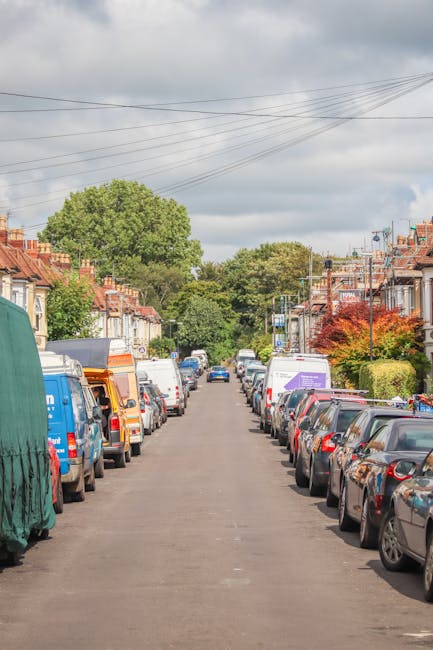
Emergency furniture removal Fulham delays and common problems

If you need emergency furniture removal in Fulham, delays and common problems usually show up at the worst possible moment: a broken lift, a last-minute tenancy handover, a landlord pressing for keys, or a bulky sofa that simply will not fit through the hallway. Truth be told, that is exactly when a calm plan matters most.
This guide explains what emergency furniture removal actually involves, why delays happen in Fulham, and how to reduce the usual headaches before they turn into a full-blown mess. You will also find a practical step-by-step process, a simple comparison table, a checklist, and a realistic example from the kind of situation people run into on a normal London day. No drama, just useful advice.
Why Emergency furniture removal Fulham delays and common problems Matters
Emergency furniture removal is not just about speed. It is about keeping a stressful day from getting worse. In Fulham, delays can snowball quickly because of narrow streets, controlled parking, basement flats, awkward access, and the simple reality that London buildings are not always designed with moving day in mind.
The most common problems are often boring on the surface, but costly in practice: a van cannot stop outside, a wardrobe blocks the stairwell, a lift is out of service, or the item being removed turns out to be heavier than expected. The result? Time slips away, neighbours get annoyed, and everyone starts improvising.
That matters because emergency furniture removal often sits inside another deadline. Maybe you have a moving-out inspection at 2 pm. Maybe a new tenant is arriving. Maybe the office needs a clearance before the builders turn up. When one job depends on another, even a half-hour delay can feel like a small disaster.
There is also a trust angle. If you are booking quickly, you may not have much time to compare providers. So you want clear communication, sensible planning, and a team that knows how to work around the usual Fulham constraints without making wild promises. A proper removal service should be able to explain the likely bottlenecks before the van even sets off.
Key takeaway: emergency furniture removal is really a timing and access problem as much as a lifting problem. The faster you spot the likely delay points, the easier it is to stay in control.
How Emergency furniture removal Fulham delays and common problems Works
In plain English, emergency furniture removal usually means booking a same-day or next-available collection for bulky items that need to be moved quickly. That might be one sofa, a bed frame, a dining table, office desks, or several pieces going into storage. Sometimes it is a planned move gone sideways. Sometimes it is a sudden clearance after a sale, repair, or tenancy issue.
The process usually starts with a quick assessment. A good provider will ask about item size, access, floor level, parking, and whether any disassembly is needed. If you are honest here, you save time later. If you leave out the fact that the wardrobe is a three-part unit with no lift access, well, that is how delays begin. Not ideal.
Once the job is accepted, the team will usually plan the vehicle size, crew numbers, protective materials, and route. In Fulham, that may include checking loading space, timing around traffic, and deciding whether the job is better handled with a van rather than a larger truck. If the item is particularly awkward, a specialist option such as furniture removals or furniture pick up can be more efficient than a generic move booking.
On the day, the team should protect floors and doorframes, remove legs or parts where needed, and carry the furniture out safely. If the item cannot be taken immediately to its final destination, the next step may be temporary holding or storage. That can be useful when keys are delayed, access is blocked, or the new property is not ready yet.
One small but important point: emergency does not mean careless. Fast removals still need the same care for handling, safety, and insurance as any other move. If anything, urgency makes careful process even more important. A rushed sofa through a tight staircase is where trouble likes to appear.
Key Benefits and Practical Advantages
The obvious benefit is speed, but there is more to it than that. Good emergency furniture removal gives you breathing room. And on a pressured day, breathing room is gold.
- Fast clearance: useful when you have a handover deadline, sale completion, or building access window.
- Less stress: a booked team takes the guesswork out of lifting, loading, and transport.
- Reduced damage risk: experienced movers are less likely to scrape walls, chip furniture, or strain themselves trying to force a bad angle.
- Better access handling: teams used to Fulham flats and terraced streets are more likely to plan around awkward parking and narrow entries.
- Flexible support: when timing is tight, services like same day removals can be a practical fallback.
There is also a subtle advantage people overlook: a professional team can help you avoid the false economy of trying to do everything yourself. Hiring a van too small, asking friends to help at the last minute, or wrapping furniture in old towels and hoping for the best tends to create more cost later. Especially if the item is valuable or the access is awkward.
If the job is part of a larger move, the right support can also keep the rest of the move on track. For example, someone shifting out of a flat may need a van for immediate removal, while the remaining contents are organised separately. In those cases, a man and van arrangement can be a neat middle ground. Not flashy. Just useful.
Who This Is For and When It Makes Sense
Emergency furniture removal in Fulham is a good fit for people who need things handled quickly but still properly. That includes tenants, landlords, letting agents, homeowners, office managers, students, and anyone who has just realised the old sofa will not magically move itself. Wouldn't that be nice, though?
It makes sense when:
- you have a same-day or next-day deadline
- keys are being handed over and the property must be empty
- a delivery or replacement item is arriving and space needs clearing
- a bulky item cannot safely be moved by one person
- you need a quick clearance after refurbishment, sale, or office reconfiguration
It is also useful for people in flats. Fulham has plenty of buildings where access is the real challenge, not the lifting. A top-floor flat with a tight stairwell and no lift is one of those situations where planning beats optimism every time. If your move involves a smaller property, looking at flat removals may be the better route than treating it as a generic collection.
Office teams can need this too. Desks, cabinets, chairs, and screens can suddenly need clearing if a layout changes or a space is being vacated. For that, office removals or broader commercial moves may be more suitable than a one-off household pickup.
Step-by-Step Guidance
If you are trying to avoid delays, the best approach is simple: prepare the access, give accurate details, and keep the job as straightforward as possible. Here is a clean step-by-step process.
- List the items clearly. Note what needs removing, approximate size, and whether anything comes apart.
- Check the route out of the property. Measure door widths, hallway turns, and stair corners if the item is bulky.
- Sort parking or loading access. In Fulham, that often matters more than people expect.
- Decide whether the item needs protection or disassembly. Small actions here can save a lot of time.
- Choose the right vehicle and crew. A too-small van creates delay; a huge truck can create access problems.
- Confirm the destination. Delivery, storage, recycling, or disposal should be clear before anyone lifts a thing.
- Keep paths clear on the day. Shoes, bins, coats, and loose boxes all become trip hazards at the worst moment.
- Inspect once the job is done. Check furniture, walls, floors, and access points before signing off.
That last step sounds obvious, but people skip it when they are in a rush. Then they spot a scuffed wall two hours later and think, "Oh no, was that there before?" Better to check immediately while everyone is still present.
If you are already handling packing as part of the move, it can help to use proper materials and structured labelling. A service like packing and boxes or packing and unpacking services can reduce the chance of forgotten bits, loose fixings, or last-minute chaos.
Expert Tips for Better Results
Here is where the small details make a big difference. In our experience, most delays are not caused by one massive issue. They come from three or four tiny ones stacking up.
- Measure the awkward points, not just the furniture. The tightest bend in the hall is often the real problem.
- Photograph the item and access route. A couple of clear photos can speed up planning far more than a long description.
- Tell the truth about the condition. Broken legs, loose joints, or hidden weight changes can affect handling.
- Be ready five to ten minutes early. That small buffer helps when parking or concierge access is tight.
- Keep building staff or neighbours informed if needed. A quick heads-up can prevent awkward interruptions.
Also, do not underestimate weather. A wet Fulham morning can turn a simple carry into a slippery, slow job. Cardboard gets soft, gloves get soaked, and everyone starts moving a bit more carefully. Sensible, really.
If safety is a concern, ask about protective practices and insurance before you book. A reliable provider should be comfortable discussing insurance and safety in plain language. That is a good sign. You want confidence, not vague reassurance.
Common Mistakes to Avoid
The most common mistakes in emergency furniture removal are usually simple, and that is what makes them annoying.
- Underestimating access issues. A sofa can be "fine" in the living room and impossible at the stair bend.
- Booking too late in the day. The later you leave it, the more likely parking and timing get messy.
- Leaving out item details. Missing things like detachable legs or hidden drawers slows everything down.
- Assuming a standard van is always enough. Not every job fits the same vehicle.
- Forgetting the destination. If no one knows where the furniture is going, the job stalls.
- Ignoring building rules. Some blocks or managed properties have access requirements, lift booking rules, or loading restrictions.
Another common one? Relying on "we'll just figure it out when they arrive." That can work for a chair. It does not work so well for a dining table, a wardrobe, and a hallway that turns like a maze. A little planning saves a lot of huffing and puffing.
If the removal is happening because you are changing homes entirely, it may be worth looking at broader moving support such as home moves or house removals rather than treating the job as a standalone furniture lift.
Tools, Resources and Recommendations
You do not need a warehouse full of specialist kit to prepare well. A handful of simple items and habits go a long way.
- Tape measure: useful for doorways, stairwells, and furniture dimensions.
- Phone camera: take photos of access, damage points, and the item itself.
- Protective blankets or covers: helpful for avoiding marks and scrapes.
- Basic screwdriver or Allen keys: handy if something needs to be dismantled.
- Labels or sticky notes: good for marking parts, cables, or matching panels.
From a service point of view, the most useful resource is often a provider that can adapt. Sometimes that means a removal van for a quick single-item job. Sometimes it means a more flexible man with van approach for mixed loads. And if the item is especially awkward or fragile, extra handling support may be worth it.
For heavier or more specialist pieces, such as instruments, it is often smarter to look at dedicated handling rather than forcing them into a general move. A piano, for example, is not the time to improvise. That is where piano removals makes far more sense.
If you are comparing providers, be sure to review pricing and the booking terms carefully. Transparent pricing and quotes help you understand what is included, what might change on the day, and what counts as an extra. That sort of clarity is worth its weight in gold when time is tight.
Law, Compliance, Standards and Best Practice
Emergency furniture removal still needs to be handled responsibly. In the UK, that means paying attention to safe lifting, property access, vehicle loading, and the lawful handling of waste or unwanted items. If furniture is being removed for disposal rather than re-use, it should be managed in a way that is consistent with normal environmental and waste-handling expectations.
Best practice is straightforward:
- use enough people for the weight and size of the item
- protect building surfaces and shared areas
- avoid blocking access routes longer than necessary
- confirm what is being moved, retained, donated, recycled, or disposed of
- keep communication clear if the plan changes
It also helps to work with a company that is open about policies and process. Pages such as health and safety policy, recycling and sustainability, terms and conditions, and about us are useful because they tell you how the business thinks about care, responsibility, and service standards. That transparency matters more than people realise.
For business customers, commercial removals should also be organised in line with access rules, building management, and internal continuity. If staff cannot work because desks and storage units are still in the way, the real cost is time. So a structured approach is better than a rushed one. Usually, anyway.
Options, Methods, or Comparison Table
Different situations need different approaches. Here is a simple comparison to help you choose the most sensible option.
| Option | Best for | Typical advantage | Possible drawback |
|---|---|---|---|
| Same-day furniture removal | Urgent deadlines, sudden clearances | Fast response and immediate relief | Less flexibility on time slots |
| Man and van | Single items, light to medium loads | Flexible and often practical for short notice | May not suit very bulky or fragile pieces |
| Full removal service | Multiple rooms, bigger household moves | More structured planning and capacity | Can be more than you need for one item |
| Storage first | When the destination is not ready yet | Buys time and avoids rushed decisions | Creates a second step and possible extra cost |
If you are trying to decide between a smaller or larger setup, start with the access, not the furniture. That is the bit people get wrong. A compact van can be brilliant in Fulham, but only if the load and the access both suit it. Likewise, a bigger vehicle is not automatically better if parking becomes impossible.
For many local jobs, a flexible service such as man with a van or the broader removals option will be more sensible than overcommitting to a large vehicle. A bit of judgement goes a long way here.
Case Study or Real-World Example
A fairly typical Fulham scenario goes like this. A tenant has to leave a flat by late afternoon, but one large sofa and a bed base are still inside. The lift has been out of order all morning. The hallway is narrow. The parking space outside is shared. Lovely.
Instead of trying to force everything into one improvised trip, the better approach is to assess the route, measure the tight points, and send the right team with the right vehicle. The sofa is protected, the bed base is partially dismantled, and the loading is timed around the access window. The furniture is moved without damage, and the tenant still makes handover.
What made the difference? Not speed alone. It was clarity.
That is usually the hidden lesson in emergency furniture removal. The work gets done faster when the details are known early. People often think urgency means skipping the planning. In practice, the opposite is true.
If the furniture is part of a wider relocation, this is also where it helps to have a provider that can scale the job up or down. From a small pickup to a full house removalists service, the important thing is matching the method to the situation. Nothing glamorous. Just smart.
Practical Checklist
Use this before the team arrives. It is simple, but it prevents a lot of last-minute stress.
- Confirm the collection time and access details
- Measure furniture and the narrowest doorway or stair turn
- Decide whether any item needs dismantling
- Clear hallways, entrances, and lift areas
- Move pets and valuables out of the way
- Check parking or loading arrangements
- Photograph any existing marks or damage
- Confirm where the furniture is going
- Keep phones charged and available for updates
- Review the quote, terms, and any exclusions
If you are dealing with a move at short notice, it can also help to ask whether the team can support related tasks such as item protection or packing. Small additions like packing and unpacking services can take pressure off the day, especially when the clock is already moving faster than you'd like.
Conclusion
Emergency furniture removal in Fulham is really about handling pressure without creating more of it. Delays and common problems usually come from access, parking, poor measurements, unclear instructions, or trying to do too much too quickly. The good news is that most of these issues are preventable with a little preparation and the right kind of help.
If you remember one thing, make it this: the fastest jobs are rarely the most rushed. They are the best planned. Even when the situation feels messy, a measured approach keeps the process moving and lowers the chance of damage or delay.
And if you are in that awkward in-between moment where the furniture has to go now, but you still need the job handled properly, you are not alone. That is exactly the kind of problem a good removals team should know how to untangle.
Get a free quote today and see how much you can save.
When the pressure lifts and the room is finally clear, it is a relief you can actually feel.
Frequently Asked Questions
What counts as emergency furniture removal in Fulham?
It usually means a same-day or next-day collection for furniture that needs to be moved quickly because of a deadline, access issue, tenancy handover, or sudden change of plans.
Why do delays happen so often with urgent furniture removals?
The most common reasons are poor access, parking difficulties, inaccurate item details, lift problems, and furniture that needs dismantling. In Fulham, the street layout and building access can make these issues more noticeable.
Can one person move a sofa or wardrobe safely?
Sometimes a small piece can be managed alone, but bulky furniture is often safer with two or more people. Weight, balance, and awkward corners are usually the real problem, not just the size of the item.
Is same-day furniture removal more expensive?
It can be, because urgent work often needs quick scheduling and flexible logistics. That said, the final cost depends on distance, access, item size, and whether extra handling is needed.
What should I tell the removals team before booking?
Give them the item dimensions, number of floors, lift access, parking details, and whether anything needs disassembly. Clear information usually leads to a smoother job and fewer surprises.
What if my furniture will not fit through the door?
That is a common issue. The team may be able to remove legs, detach parts, or take a different route. If that does not work, the item may need specialist handling or a different approach altogether.
Do I need to empty drawers and cupboards first?
Yes, in most cases you should. Loose contents can shift during lifting and make the furniture harder to carry safely. It also reduces the risk of damage to both the item and the property.
Can emergency furniture removal include storage?
Yes, if the destination is not ready or you need time to decide what happens next. Temporary storage can be a useful bridge when moving day gets complicated.
How do I know whether I need a van or a full removal service?
Ask yourself how many items you have, how bulky they are, and how difficult the access is. A single sofa may suit a van-based solution, while several rooms of furniture usually call for a fuller service.
What are the biggest mistakes people make in a rush?
The biggest ones are underestimating access, forgetting to mention details, and assuming the job will somehow sort itself out. That last one sounds funny until you are staring at a wardrobe that will not turn the corner.
Are there safety or insurance points I should check?
Yes. You should ask how the company handles lifting, property protection, and insurance cover. A trustworthy provider should be able to explain this clearly and without fuss.
What is the best way to reduce delays on the day?
Measure the access points, clear the route, confirm parking, keep the item details accurate, and be ready when the team arrives. Small preparation steps make a surprisingly big difference.