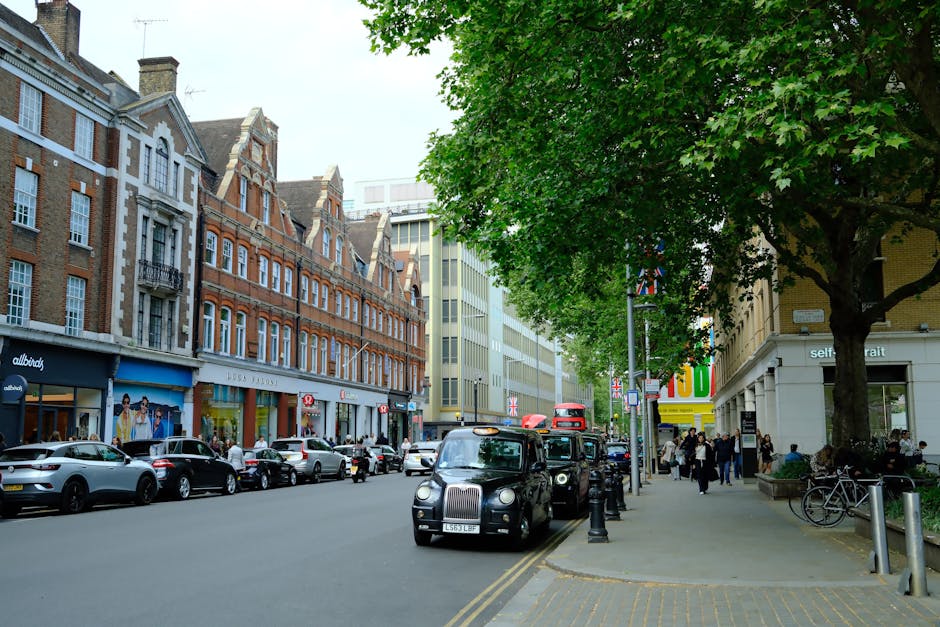
Fulham Broadway removals tips for narrow streets and parking

If you are moving around Fulham Broadway, the challenge is rarely the sofa itself. It is the street width, the awkward parking, the dropped kerbs, and that moment when a van is half in a bay and half in everyone's way. These Fulham Broadway removals tips for narrow streets and parking are designed to help you avoid the usual headaches, keep your move moving, and make better decisions before moving day arrives.
Truth be told, a well-planned move in this part of London can feel completely different from a rushed one. A few smart choices about vehicle size, loading time, building access, and parking can save you hours. Below, you will find a practical, local-minded guide that covers planning, permits, packing, timing, and the kind of detail that makes a real difference on a busy road.
Why Fulham Broadway removals tips for narrow streets and parking Matters
Fulham Broadway is the kind of area where moving day can be brilliantly efficient or mildly chaotic, and often the difference is planning. Streets are busy, space is limited, and parking can disappear quickly. If your van cannot stop close to the entrance, every box has to be carried further, every item takes longer to load, and the risk of delays starts to creep in.
That matters for more than convenience. Narrow roads make it harder for drivers to position safely. Limited parking can increase carrying distances. Flats above shops, maisonettes, and period conversions often have tight staircases, shared entrances, or restricted waiting areas. In other words, the area creates a few extra moving variables. Nothing dramatic. Just enough to trip up a rushed plan.
We have all seen the same thing happen: a move starts with a confident shrug, then someone realises the van cannot stay where they expected, the lift is tiny, and the item everyone thought was "easy" is not easy at all. The good news? Most of this is manageable if you think ahead.
How Fulham Broadway removals tips for narrow streets and parking Works
The practical approach is simple: reduce uncertainty before the van arrives. A good move in this part of London usually begins with access checks, not boxes. You want to understand where the vehicle can stop, how long it can stay, whether the building has stairs or a lift, and whether any bulky furniture needs dismantling before the day.
Start with the property itself. Measure doorways, internal corners, stair turns, and the lift if there is one. Then look outside. Is there room for a van to wait without blocking traffic? Is there a loading bay nearby? Is parking restricted at certain times? Even a rough assessment helps the removal team choose the right vehicle and the right arrival time.
For many households, a smaller vehicle or a man with van style service makes more sense than a large lorry. That is especially true where the street is narrow, the building access is tight, or the loading space is limited. For larger homes or more complex moves, broader removal services may still be the better fit, but only if the access plan is realistic.
If you are moving from a flat, it is worth planning around lift access, shared hallways, and neighbours. A move from the third floor on a narrow staircase is a very different job from a ground-floor pickup. Same city, very different day.
Key Benefits and Practical Advantages
Good planning gives you more than peace of mind. It changes the whole shape of the move.
- Less waiting time: When parking is sorted in advance, loading starts sooner and finishes faster.
- Lower damage risk: Shorter carry distances mean fewer chances to knock walls, doors, or furniture corners.
- Better vehicle choice: The right van or truck size prevents overpacking and awkward repositioning.
- Smoother access: Thoughtful timing reduces conflict with traffic, neighbours, and delivery vehicles.
- Less physical strain: Fewer long carries means less pressure on you and the crew.
Another overlooked benefit is confidence. When you know where the van will stop and how the items will come out, the day feels calmer. And calm matters. A lot. People pack better, communicate better, and make fewer last-minute decisions that usually turn into a small mess.
If you need help with the packing side too, it can be worth looking at packing and boxes or even packing and unpacking services so the whole move is more controlled from the start.
Who This Is For and When It Makes Sense
This guidance is most useful if you are moving from a flat, maisonette, terrace, or mixed-use street near Fulham Broadway where space is tight and parking is never a given. It is also relevant if you are moving at peak times, moving with children or pets in the mix, or handling furniture that is bulky, fragile, or awkward.
It tends to make particular sense for:
- Tenants leaving or entering flats with limited external space
- Homeowners on residential streets with narrow carriageways
- Students who need an efficient, smaller move
- Small businesses relocating from mixed residential-commercial streets
- Anyone with large wardrobes, white goods, mirrors, or heavier items
If your move includes a piano, the challenge rises again. That is the sort of item that really rewards specialist handling, and piano removals are not the place to improvise. Likewise, if you are clearing out an office or relocating equipment, the street access problem can be even more important because delays affect staff, clients, and building access windows.
To be fair, if your property has easy driveway access and wide kerb space, some of this will feel overcautious. But Fulham Broadway is not the place to assume easy access until you have checked it.
Step-by-Step Guidance
Use this as a sensible moving-day framework. Not glamorous, but it works.
-
Survey the street and entrance.
Check whether a van can stop close enough to the property without causing issues. Look at road width, traffic flow, and any obvious pinch points such as corners, railings, trees, or parked cars.
-
Measure access inside the property.
Door frames, stair turns, lifts, and hallway bends all matter. If an item needs rotating awkwardly to fit, it may need dismantling first. It is boring admin, yes, but it saves very real stress later.
-
Choose the right vehicle size.
If the street is especially tight, a smaller vehicle can be easier to position safely. If the move is larger, a bigger vehicle may still be best, but only if access is manageable. This is where a proper pre-move assessment helps.
-
Plan the parking strategy early.
Do not leave this until the morning of the move. Decide where the van will wait, who will supervise it, and what backup option exists if a bay is occupied. A good plan has a Plan B. Sometimes a Plan C as well.
-
Pack in carry-friendly loads.
Smaller, well-sealed boxes are easier to move through narrow hallways and down stairs. Heavy books should not be dumped into one massive box unless you enjoy regretting things.
-
Protect floors and shared spaces.
Door mats, stair runners, and blanket protection all help reduce scuffs. In flats, this is especially useful because hallways can be shared and a careless scrape is exactly the sort of thing that causes friction with neighbours.
-
Load in the right order.
Keep the most accessible essentials separate. Place fragile items where they are least likely to shift. If the van has to park a little further away than planned, you will want a loading order that keeps the job efficient.
If you are unsure what level of support you need, a local removal companies search should not just be about price. It should be about whether the team understands the street conditions, the building access, and the parking realities of the area. That is the point, really.
Expert Tips for Better Results
Here is the part that often separates a decent move from a quietly excellent one.
- Book for quieter windows where possible. Early starts can be easier on busy roads, though not every move can fit that pattern.
- Keep one person on parking watch. Someone needs to stay focused on the van space, especially if the street is busy with short-stay parking.
- Label the heaviest boxes clearly. It sounds small, but it helps the team load them safely and avoid stacking mistakes.
- Disassemble only what genuinely needs it. Over-dismantling creates confusion. Under-dismantling creates bottlenecks. There is a sweet spot.
- Move delicate items first if access is tight. Mirrors, artwork, and lamps can be much easier to carry before the corridor gets crowded.
- Tell the removals team about odd obstacles. Low railings, steep steps, tight lifts, gated entries, and awkward entry codes all matter.
A small but useful tip: keep your keys, phone charger, documents, and kettle where you can reach them quickly. The first hour in a new place can feel slightly chaotic. A cup of tea helps. It really does.
For students or people moving out of smaller properties, a streamlined student removals service can be a practical option, especially when the move is light but the street access is annoying. And yes, even a small move can be a logistical puzzle.
Common Mistakes to Avoid
The same errors keep cropping up, and they are all avoidable with a bit of forethought.
- Assuming parking will be available. It is a gamble, not a plan.
- Choosing a vehicle without checking access. A bigger van is not always better in a narrow street.
- Packing boxes too heavy for stairs. If you cannot comfortably lift it yourself, it is probably too heavy.
- Forgetting about shared entrances. In flats, the route matters just as much as the room itself.
- Leaving dismantling until moving morning. That is how delays begin.
- Ignoring building rules. Some blocks have quiet-hour expectations, lift booking systems, or access instructions that need to be respected.
The funny thing is, these mistakes rarely seem dramatic at the time. They usually look like little shortcuts. Then the day starts and the little shortcuts turn into full-size problems. Classic moving-day behaviour, unfortunately.
Tools, Resources and Recommendations
You do not need a van-load of fancy gear to move well, but a few practical items make a genuine difference.
| Item or approach | Best use | Why it helps in narrow streets |
|---|---|---|
| Measuring tape | Checking furniture and access points | Prevents surprises at doors, stairs, and lifts |
| Furniture blankets | Protecting items and walls | Reduces scuffs in tight hallways |
| Strong box tape | Securing packed boxes | Stops loads from opening during a long carry |
| Dolly or sack truck | Moving heavier items | Shortens the strain between van and entrance |
| Clear inventory list | Tracking what is being moved | Makes loading and unloading more orderly |
On the service side, think about the scale of the job rather than the label alone. A removal van is often ideal for smaller access-heavy moves. Bigger jobs may suit a moving truck, but only where street width and stopping space make that realistic. Some moves benefit from flexible man and van support because it offers a nimble, practical approach in tighter areas.
If you have items you are not taking with you, furniture removals or furniture pick up can be useful before the main move. Less clutter means less lifting. Simple, but powerful.
Law, Compliance, Standards, or Best Practice
Moving in London is not usually about complex law, but there are a few sensible standards and obligations to keep in mind. Vehicle stopping, obstruction, safe loading, and pedestrian access all need careful handling. In practice, that means avoiding unsafe parking positions, not blocking entrances, and making sure the loading process does not put people at risk.
If you are dealing with a communal building, you should also respect building rules and any instructions from managing agents or landlords. Quiet hours, lift booking arrangements, and use of protective coverings are often part of best practice even where they are not dramatic legal issues. It is just good manners, and it keeps everyone calmer.
From a removals perspective, safe handling matters just as much as access. Check how your provider approaches insurance, safety, and careful handling. If that information is important to you, it is sensible to review a company's insurance and safety approach and its health and safety policy. That is not being fussy. That is being sensible.
For commercial moves, the expectations rise again because work disruption, equipment handling, and access coordination can all affect the day. If that is your situation, a dedicated commercial moves service may be the cleaner route.
Options, Methods, or Comparison Table
Not every move near Fulham Broadway needs the same setup. Here is a straightforward comparison of the most common approaches.
| Option | Best for | Strengths | Limitations |
|---|---|---|---|
| Small van service | Flats, light moves, tight streets | Easier to park and manoeuvre | Less space for large loads |
| Full removals team | Larger homes or more furniture | More handling support and structure | Needs better access planning |
| Hybrid move | Mixed-size loads or awkward access | Flexible and practical | Requires clearer coordination |
| Storage-first move | Staggered handovers or delayed completion | Reduces pressure on the day | Extra handling and timing to manage |
For many people, the hybrid move is the sweet spot. Not too large, not too small. It gives you enough support without forcing an oversized vehicle into a road that simply does not want one. If your dates are awkward, you may also want to consider storage so you are not trying to squeeze every step into a single stressful morning.
Case Study or Real-World Example
Here is a realistic example. A couple moving from a first-floor flat near Fulham Broadway had a narrow entrance hall, a shared stairwell, and no guaranteed parking outside. They assumed a standard van would be fine, but after a quick access check, it became clear that a more compact vehicle would make the job smoother. Their wardrobe needed partial dismantling, the sofa was measured before moving day, and boxes were staged in the front room instead of scattered through the flat.
On the day, the driver parked as close as possible without blocking the street. One person handled the parking watch while the others carried items in a steady rhythm. Because the boxes had been packed well and the larger furniture had been prepped, the move stayed orderly. Not perfectly calm - there is always a bit of bustle - but no frantic shuffling, no panic about access, and no damaged hallway paint to apologise for afterwards. That is the difference a good plan makes.
In our experience, the people who prepare early are not necessarily the ones with the biggest budget. They are usually the ones who ask the right questions and keep the move practical.
Practical Checklist
Use this checklist in the last week before moving day.
- Measure key furniture and compare it with doors, stairs, and lifts
- Confirm where the van can stop and whether parking restrictions apply
- Tell the removals team about narrow roads, corners, or access codes
- Book building lifts or loading windows if needed
- Disassemble oversized furniture in advance where sensible
- Pack heavy items into smaller boxes
- Keep essential items separate for easy access
- Protect floors, corners, and shared areas
- Review insurance, terms, and safety information
- Have a backup plan if the preferred parking spot is unavailable
If you are still deciding which service level suits you, it can help to compare house removals with a more flexible man with a van approach. The right choice is usually the one that matches your access, volume, and timing rather than just the headline price.
Conclusion
Fulham Broadway removals are easier when you respect the street before you start moving the furniture. Narrow roads, limited parking, and tight access do not have to ruin the day, but they do demand a more careful plan than a standard suburb move. If you measure access, choose the right vehicle, pack sensibly, and think through parking in advance, the whole process becomes far more manageable.
That is really the heart of it: smaller decisions made early prevent bigger problems later. A bit of structure goes a long way. And on a busy London street, that can be the difference between a frantic scramble and a move that feels under control from start to finish.
Get a free quote today and see how much you can save.
And if you want a team that understands the realities of local access, it is worth learning more about the company behind the move and what it stands for through the about us page. A calm move begins long before the van pulls up.
Frequently Asked Questions
How do I plan a move on a narrow street near Fulham Broadway?
Start by checking where the van can stop, whether there is room to load safely, and how far items will need to be carried. Then measure key furniture and make sure the route inside the property is clear. A quick access review upfront saves time later.
What is the best vehicle for Fulham Broadway removals?
The best vehicle depends on the size of your move and the width of the street. Smaller vans are often easier in tight areas, while larger trucks can suit bigger loads if parking and manoeuvring space allow it. The right choice is about fit, not just capacity.
Do I need parking arranged in advance for moving day?
In many cases, yes. Even if you are only loading for a short time, parking on busy London streets can be unpredictable. Having a clear plan for where the vehicle will stop reduces delays and helps keep the move safer and more efficient.
How can I make moving furniture through a narrow hallway easier?
Measure the furniture first, remove anything detachable, and protect corners and walls. It also helps to move one item at a time and keep the hallway clear. If an item is especially bulky, disassembling it in advance can make a big difference.
Is a man and van service suitable for Fulham Broadway?
Often, yes. A smaller, more flexible service can work very well where streets are tight and parking is awkward. It is especially useful for flat moves, light household loads, or short-notice jobs where manoeuvrability matters.
What should I tell my removals team before moving day?
Tell them about street width, parking restrictions, stairs, lifts, access codes, shared entrances, and any especially heavy or fragile items. The more they know, the easier it is to plan the right vehicle and the right approach.
How early should I book a Fulham Broadway move?
As early as possible if your move involves restricted access, a specific date, or larger furniture. Early booking gives you time to sort parking, packing, and access issues calmly instead of leaving everything to the last minute.
What if the street is too narrow for the vehicle I first chose?
That is exactly why an access check matters. If the street cannot safely take a larger vehicle, you may need a smaller van, a shuttle-style approach, or a different loading arrangement. Better to adapt the plan than force the wrong vehicle into the space.
Can I move in a flat with no lift?
Yes, but you should plan carefully. Heavy furniture, long stair carries, and tight turns all need attention. Smaller boxes, better packing, and a realistic schedule make no-lift moves much more manageable.
What are the most common parking mistakes people make on moving day?
The biggest mistake is assuming there will be space outside the property. Others include ignoring time restrictions, not checking loading rules, and failing to have a backup spot. On a busy road, those small errors can create big delays.
Should I use storage if my move is split across different days?
If the move-out and move-in dates do not line up neatly, storage can take a lot of pressure off. It helps you avoid trying to solve access, timing, and furniture placement all in one go. For some moves, that breathing room is well worth it.
How do I know whether I need full removal services or just a van?
If you have lots of furniture, multiple rooms, or awkward access, full removal services may be more suitable. If the load is smaller and the street is tight, a van-based service may be enough. The decision usually comes down to volume, access, and how much help you want on the day.
Where can I find pricing information for a local move?
It is sensible to review the company's pricing and quotes information before booking. That gives you a clearer idea of what to expect and helps you compare options without rushing.
How can I make sure fragile items survive a tight move?
Use sturdy packing, keep fragile items separate, and label boxes clearly. Protecting mirrors, artwork, and glass items matters even more when hallways are narrow and carrying space is limited. A little extra wrapping goes a long way.